victoria falls location

The Best Time to Visit Victoria Falls for Unforgettable Experiences

Victoria Falls during the dry season (May to October)

Understanding Zimbabwe's currency scene is helps to a smooth and hassle-free trip. Zimbabwe beckons with its vibrant culture and breathtaking landscapes, but before you embark on your unforgettable adventure, let's iron out the details about money.


  • Hyperinflation: For years, Zimbabwe’s currency lost value at an alarming rate, at times reaching monthly inflation of over 79 billion percent (2008). Prices skyrocketed, making basic goods unaffordable and savings worthless.
  • Loss of confidence: Due to chronic inflation and currency reforms, citizens and businesses lost faith in the Zimbabwe dollar, resorting to more stable foreign currencies like the US dollar, South African rand, and Botswana pula.
  • Informal dollarisation: The economy became largely informal and dollarised, reducing government control over monetary policy and limiting the Reserve Bank’s ability to influence national development.
  • Currency instability: Frequent changes—from bearer cheques to bond notes to RTGS—left the public confused, and the lack of a stable store of value discouraged investment and long-term planning.

In response, the Zimbabwean government introduced a new gold-backed currency called the **ZiG (Zimbabwe Gold)** in 2024. This move is designed to restore public trust, stabilize the economy, and reduce reliance on foreign currencies. Unlike previous versions of the Zimbabwe dollar, ZiG is backed by tangible reserves—gold and other precious minerals—which are intended to give it intrinsic value and credibility. The ultimate goal is to curb inflation, re-establish monetary sovereignty, and create a stable environment for growth, trade, and investment. However, for ZiG to succeed, transparency, consistent economic policies, and public buy-in will be critical.

  • Currency confusion: Zimbabwe uses a multi-currency system, where both the new ZiG and foreign currencies like the US dollar are in circulation. This can be confusing for first-time visitors.
  • Limited cash access: Some ATMs often have limited USD cash & do not dispense the new Zig currency. Digital payments may not be available at smaller shops or in rural areas.
  • Two-tier pricing: Some businesses quote different prices depending on the currency used—often offering better deals in US dollars compared to ZiG.
  • Limited use of credit cards: While hotels and larger businesses may accept international cards, many local vendors and tour operators do not.
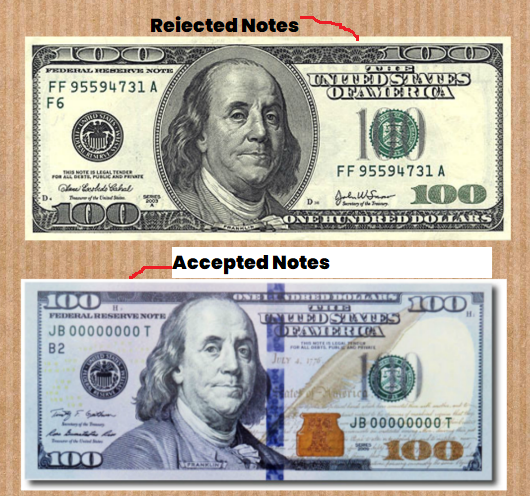
  • Old USD notes are not accepted: When bringing cash in USD, make sure NOT to bring old United States dollar notes, as they are not accepted.
    Victoria Falls during the dry season (May to October)
    To be safe, only carry notes printed from 2006 onward.

To make your visit to Zimbabwe smooth and stress-free, it's best to bring **US dollars in small denominations** (1s, 5s, 10s, 20s) for day-to-day expenses like meals, tips, activities, and souvenirs. Ensure your notes are **clean and undamaged**, as torn or old bills may be rejected. For large payments (like hotels or tours), confirm in advance whether credit cards are accepted.
Avoid relying on ATMs for cash withdrawals. If you're venturing outside major cities, carry enough cash for your entire trip. Most importantly, always ask whether prices are quoted in **ZiG or USD**, and keep a currency converter app handy. With a little preparation, you'll enjoy Zimbabwe's incredible wildlife, culture, and landscapes without money-related hassle.

Embark on your dream African adventure with us today

Contact African Fairytale Tours for personalized, affordable, and unforgettable travel experiences across Zimbabwe, Botswana, Namibia, and Zambia. Let us create your perfect journey amidst the wonders of Victoria Falls and beyond. Get in touch now to start planning your next adventure!